

BLOG
The Bread of Tomorrow
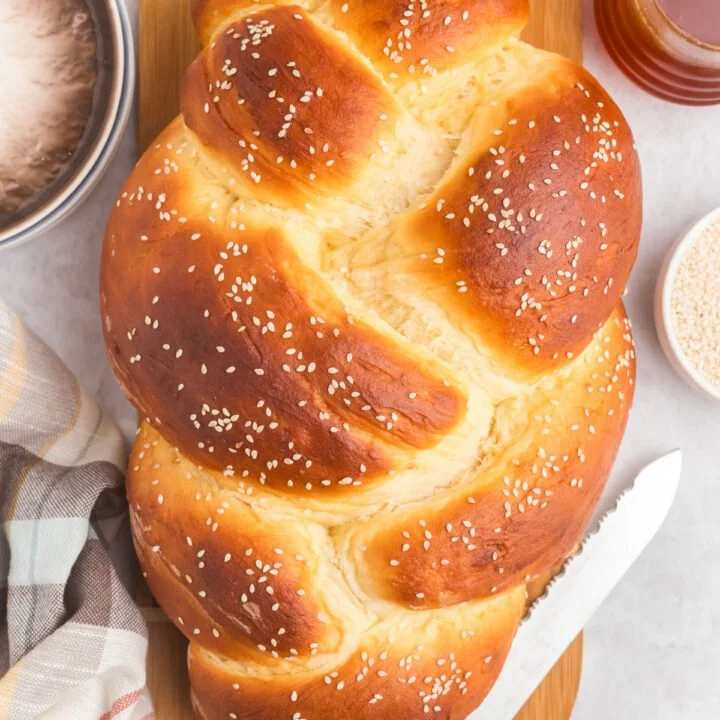
In the fourth century, on a journey to Caesarea, the church father Jerome wrote of his encounters with the “Nazarene” community: believers in Yeshua who lived in the Holy Land and still held to their Jewish identity—"4th-century Messianic Jews." He found among them a rare Hebrew manuscript of the Gospel of Matthew that many early church fathers claimed was the original text. What he discovered there provides a radical alternative to our understanding of the Lord’s Prayer. Jerome recorded that in this Hebrew Gospel, the word for "bread necessary for existence" was mahar, meaning "of tomorrow," so the sense is: "Our bread of tomorrow... give us this day" (Jerome, Comm. in Matt. 6:11). In the center of the petition, where the Greek text uses the word epiousios (ἐπιούσιος, "daily"), the Hebrew used “Lechem ha-Machar”—the Bread of Tomorrow.
While the originality of “Hebrew Matthew” is debated, this theme is found throughout the biblical narrative: GOD provides the food of the future age to sustain His people through the wilderness of the present. In the wilderness, the Israelites received a double portion of manna on the sixth day so they could experience the rest on the Sabbath. This "bread of tomorrow" was the sustenance that allowed them to participate in a reality that had not yet arrived.
Those of us who have joined ourselves to the “Kehila” of Yeshua have walked through the rebirth of baptism as the Israelites walked through the baptism of the Red Sea. We have come to the mountain of GOD and received of His Spirit. We now walk through this life as “sojourners” (1 Peter 2:11 NASB) awaiting the “Promised land”, where GOD will restore all things on earth through the coming of His kingdom and the resurrection of the dead. We pray the words of the Master daily in anticipation: “Your Kingdom come... give us today [the bread of tomorrow.]” (Matt 6:11NASB [emphasis added]) "Tomorrow" is the age where there will be no more death, no more sickness, no more depression, and no more hunger. Every healing, miracle, and demonstration of power today is a signpost to others of what will come tomorrow.
If GOD gives of that bread, it is a foretaste and a guarantee of the things promised. Before Jesus called out to Lazarus to come from the grave, He proclaimed, “I am the resurrection and the life” (John 11:25 NASB). Yet, Lazarus did not have a glorified, immortal body; he was still in this age. But Jesus gave to him a foretaste as proof of the “powers of the age to come” (Hebrews 6:5 NASB). Have you ever experienced the power of GOD in a miraculous way? Perhaps you know someone who has. That was just a temporary taste of the eternal banquet.
For those who struggle, desperately seeking that wonder-working power: know that this bread is for you to be a beacon peering through the veil of darkness. As you believe for your miracle, when you receive, determine in your heart, “[I will] Make His deeds known among the peoples” (Isaiah 12:4 NASB).